Meet The Team: Paul Filby & Simon Heffer
We catch up with not one but two of Greene King’s Senior Lab Technicians who are responsible for carrying out more than 200 tests on our beers to ensure they leave the brewery in perfect condition.
GENTS, WHAT DOES A SENIOR LAB TECHNICIAN DO?
Paul: Essentially, it’s our job to make sure that every pint that leaves the brewery does so in absolutely perfect condition. Greene King’s entire reputation is built on fantastic quality beer and the team in the lab have the responsibility of upholding that reputation that has been painstakingly established over more than two centuries of brewing.
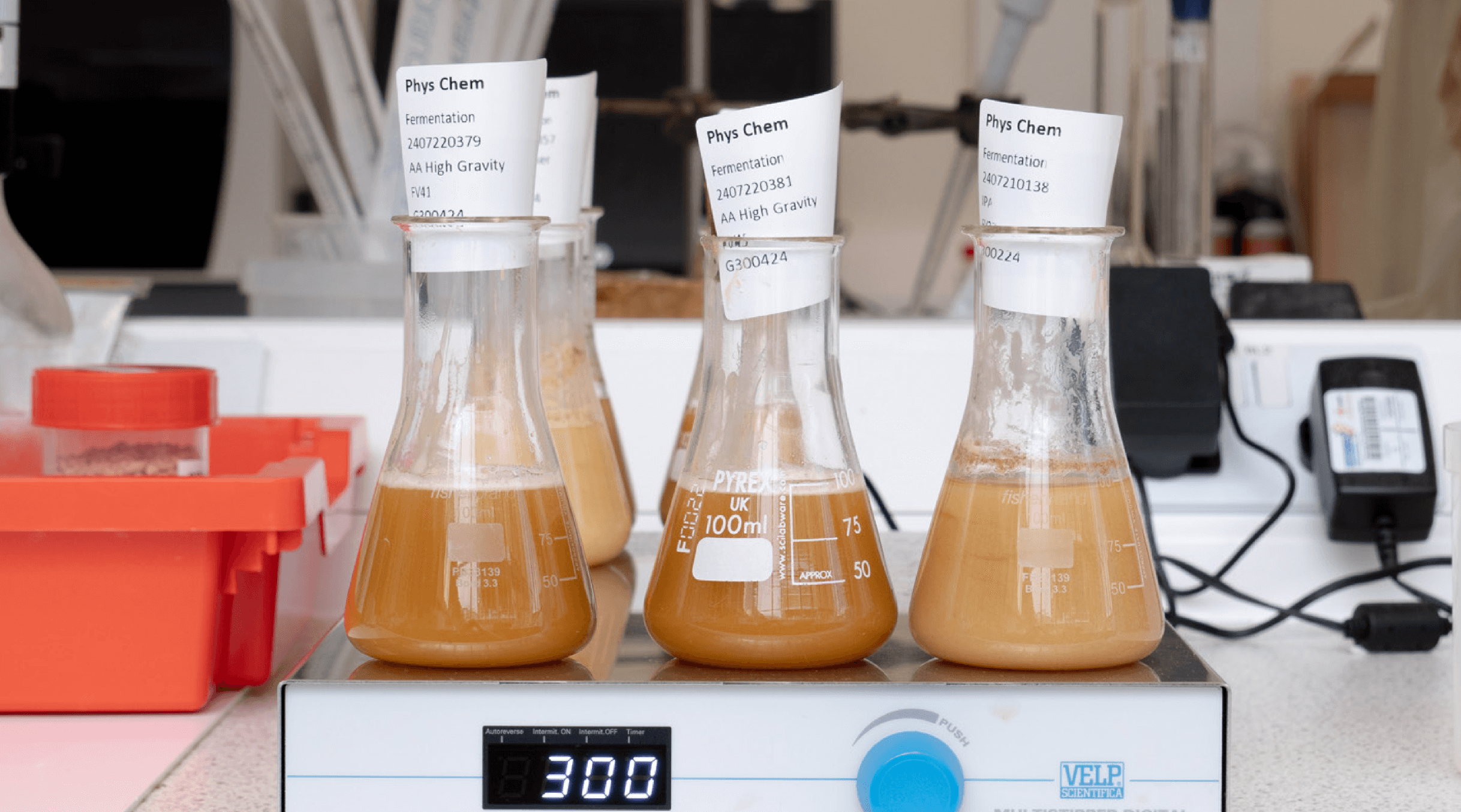
Simon: In our world, what that means is that we carry out more than 200 tests on our beers. Those range from simple ‘sight and taste’ tests through to extremely complicated analysis using extremely advanced technical machines and complex chemistry and biology.
SO, DOES THE LAB LOOK LIKE SPACE-AGE?
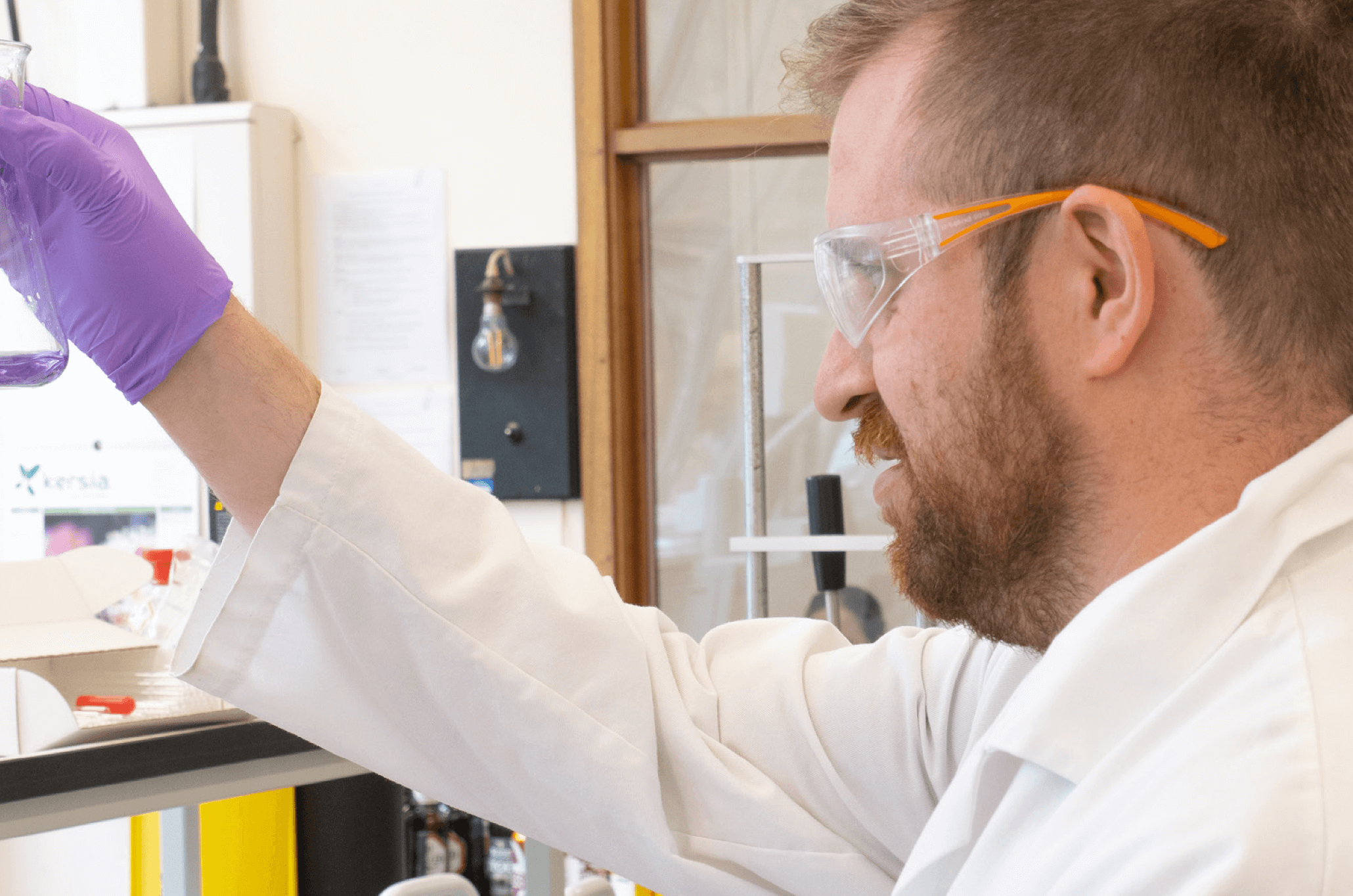
Paul: Indeed it does, and we even wear white lab coats! The lab was refitted a couple of years ago and it looks exactly the way you’d imagine a mad scientist’s lab to look! It’s very space-age with some very clever and very expensive machines and kit in it, all to help us consistently produce perfect pints.
CAN YOU GIVE US AN EXAMPLE?
Simon: Well, we have an atomic absorption spectrophotometer which is pretty smart. It can measure various metal elements found in beer to ensure our brewing processes are exactly right.
THAT SOUNDS PRETTY SPACE-AGE…
Paul: And we also have a new Particle Size Analyser. As the name suggests, it measures the size of particles within the beer and can help aid filtration of the beer. And we have a Hazemeter which is yellow and looks a bit like a ‘Minion’. In our traditional beers we want the liquid to be bright and crystal clear. But with some of our newer premium beers like Hazy Day and Prior Life, we expect to see a certain amount of haze in the beer because it was brewed to be that way. The Hazemeter allows us to measure the amount of haze extremely precisely and it works by shining coloured light through the beer and measuring diffraction levels.
OK, WE DID ASK…
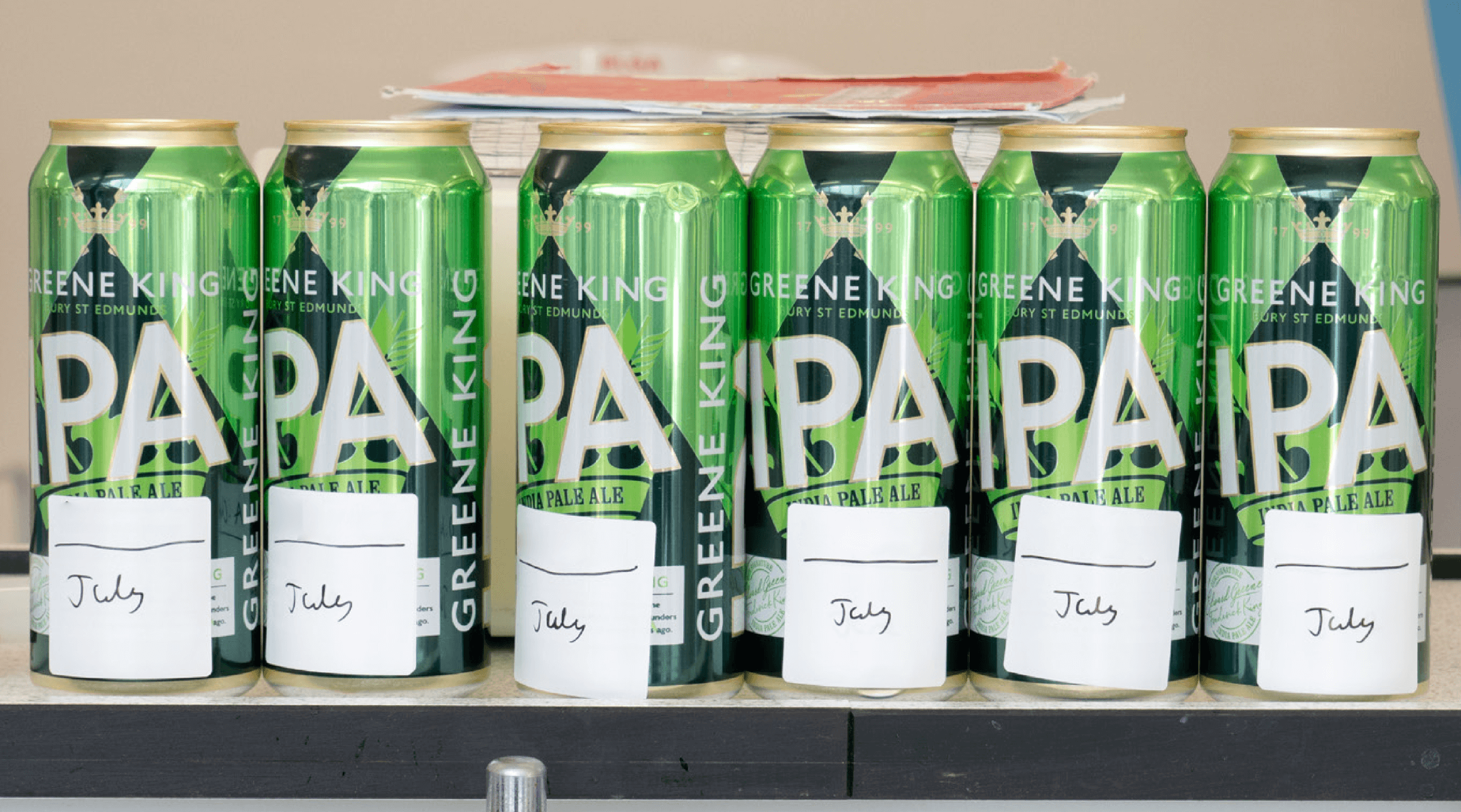
Simon: But it’s not all high-tech kit. A lot of what we do is simple sight and taste tests. As a Senior Lab Technician, we are put through a very rigorous and extensive taste testing training programme to ensure that our palates are extremely developed. The final exam in the programme requires us to taste 12 different lager samples that have been ‘spiked’ with compounds found in beers. Some are desirable for beers and some are not. To pass and become and authorised taster you have to correctly identify nine of the 12.
Paul: We use those tasting abilities and skills in detecting flavour volatiles regularly in the lab, however. We routinely do ‘3 Glass’ tests which are effectively blind tasting sessions where two drinks are the same and one is marginally different. We have to correctly identify them. We do this a lot, for example, when we try new recipes and, say, use different hops.
SO DOES THAT MEAN YOU WORK ON EXISTING AND NEW BEERS?
Paul: Absolutely. A lot of our work is on maintaining the quality of our existing portfolio but we also work on new beers that we’re trialling and testing. Some of what we do is around identifying and investigating problems with our beers. To be fair, it doesn’t happen very often but if we do have a problem with taste or head retention or haze or whatever, it’s our job to figure out what the problem is and fix it. We also work on process enhancement where we identify better and more efficient ways of doing what we already do.
THAT’S A LOT OF EFFORT TO MAKE BEER TASTE GOOD…
Simon: It is a huge amount of effort, time and investment, but as we said before, the quality of our beers is what our reputation as a brewer is built on. It’s our crown jewels – and we take the job of maintaining and enhancing that reputation very seriously indeed.
SO EVERY PINT LEAVES THE BREWERY PERFECT?
Paul: Yes, that’s our job! But beer can be a delicate product, particularly cask ale which is obviously a live product, so we rely on our venue operators to carry on where we left off by taking good care of our beers. Greene King provides training programmes for customers to help them equip them with the knowledge they need to ensure that every pint is in perfect condition when it ends up in the hands of a consumer.
Simon: At the end of the day, it’s not just our reputation that is on the line every time a venue sells one of our beers, the reputation of the venue is also on display. A poor quality beer will mean an unhappy customer and that affects everyone. We’re all in this together and we rely on our venues just as they rely on us. We can never forget that our goal in life is to pour happiness into people’s lives!
ARE YOU BOTH LOOKING FORWARD TO CASK ALE WEEK?
Paul: Definitely! Cask ale is particularly close to our hearts so it’s a great opportunity to bring some new customers into the wonderful world of cask ale. We typically see a spike in sales of cask that week so it’s doubly important that when customers try cask ale for the first time, it’s in absolutely pristine condition.
Simon: Unlike keg beer, cask ale doesn’t actually leave our brewery finished. It has to go through secondary fermentation in the cellar at the venue, a truly critical stage leading to a unique drinking experience that can’t be replicated at home. So I would urge everyone reading Value for Venues to take advantage of the opportunity cask ale presents and give it some real focus – and that obviously means ensuring the cask ale they are selling is perfect. Cask is a wonderful category and we want more customers to experience it in all its glory.
ABOUT PAUL & SIMON
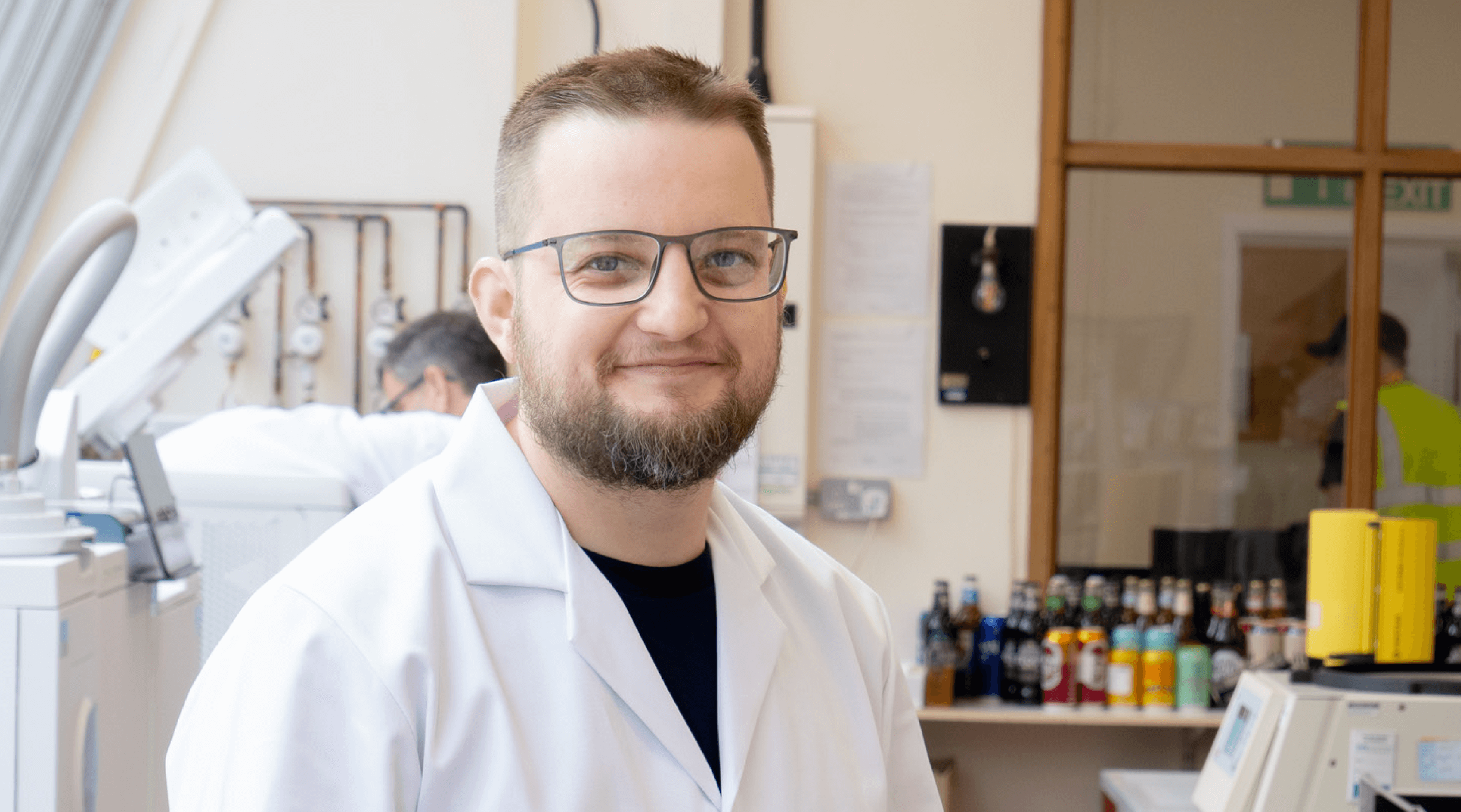
Paul Filby and Simon Heffer are both Senior Lab Technicians at Greene King and are part of the team that work a space-age laboratory and carry out more than 200 individual tests on our beer to make sure that, when it leaves the brewery, it is an in absolutely pristine condition. Paul has been with Greene King for over six years having previously worked as a lab technician analysing groundwater and mud samples (which he says is less exciting than beer!)! Simon has been with the company for around two years, having previously been Commercial Manager at Nethergate Brewery.