
Different Types of Whiskey Explained for Pubs & Bars
Any pub or bar can pour a whiskey, but the ones that really know their stuff become destinations. Whiskey is a story in a glass. Understanding the types of whiskey, flavours, and origins helps staff serve with confidence, spark better conversations, and guide guests toward premium choices. A smart whiskey list doesn’t just improve your drinks menu, it lifts your whole venue experience.
What Is Whiskey?
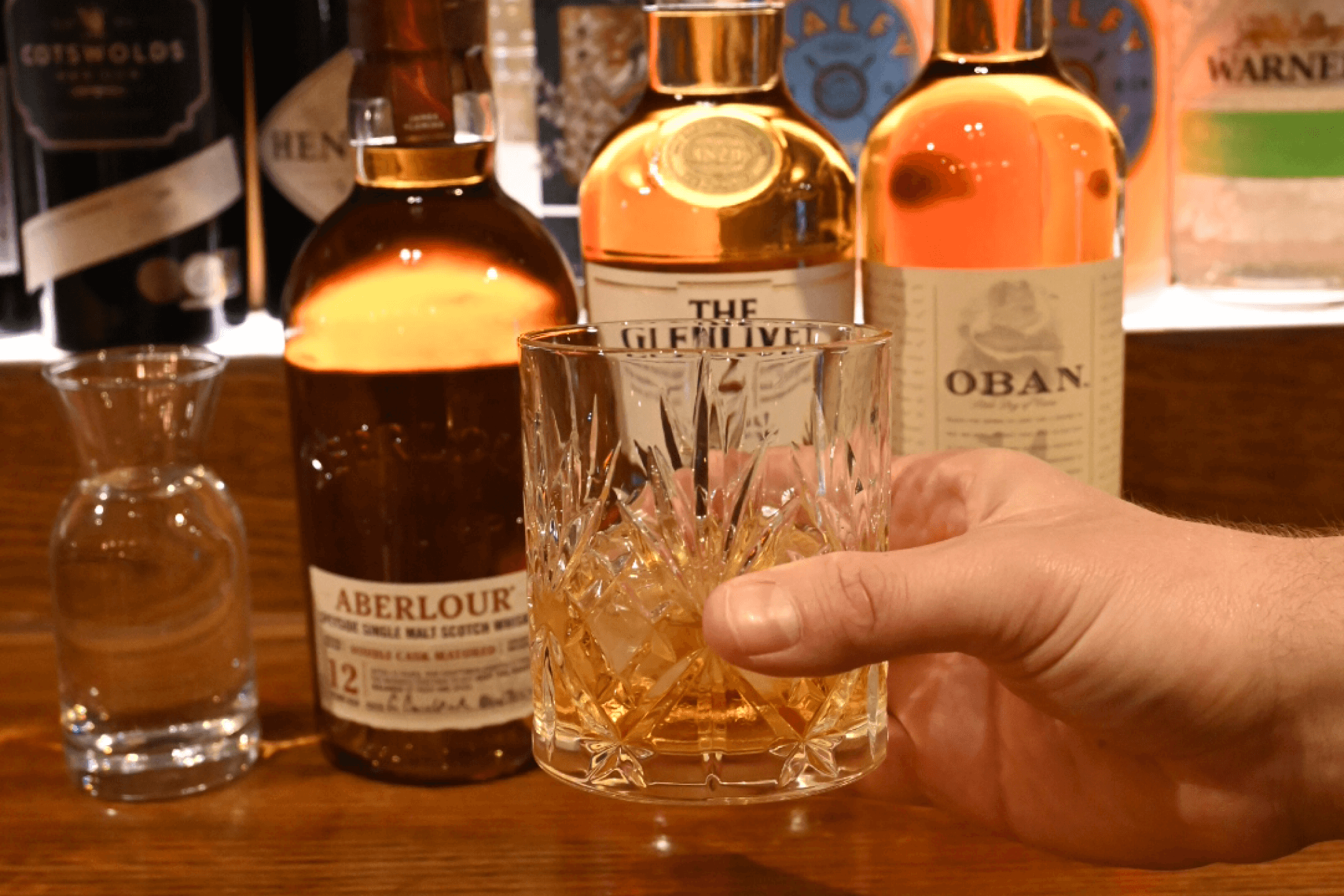
At its core, whiskey is a distilled spirit made from fermented grains. These grains can include barley, corn, rye, or wheat. After fermentation and distillation process, the spirit is aged in wooden barrels, most commonly oak. The time spent in the barrel gives whiskey its character, developing both its flavour and colour.
There are two common spellings: “whiskey” is used in Ireland and the United States, while “whisky” appears in Scotland, Japan, and Canada. Beyond the spelling, regional methods vary significantly, affecting taste, strength, and style. The type of still, the grain used, and the type of cask all make a difference.
Scotch Whiskey
Production Rules
For a whisky to be called Scotch, it must:
Be made in Scotland
Use malted barley or grain
Mature for at least three years in oak casks
Types of Scotch
Single Malt: Made from malted barley at one distillery
Blended Scotch: A mix of single malts and grain whiskies
Grain Whisky: Made using other grains and typically lighter
Regional Flavours
Islay: Smoky, peaty, powerful
Speyside: Fruity and floral, often with honey notes
Highland: Wide-ranging flavours, from spicy to rich and smooth
Lowland: Lighter and softer, great for beginners
Campbeltown: Briny and bold with a unique punch
Scotch works well in neat serves, tasting flights, or as a feature in premium cocktails.
Irish Whiskey
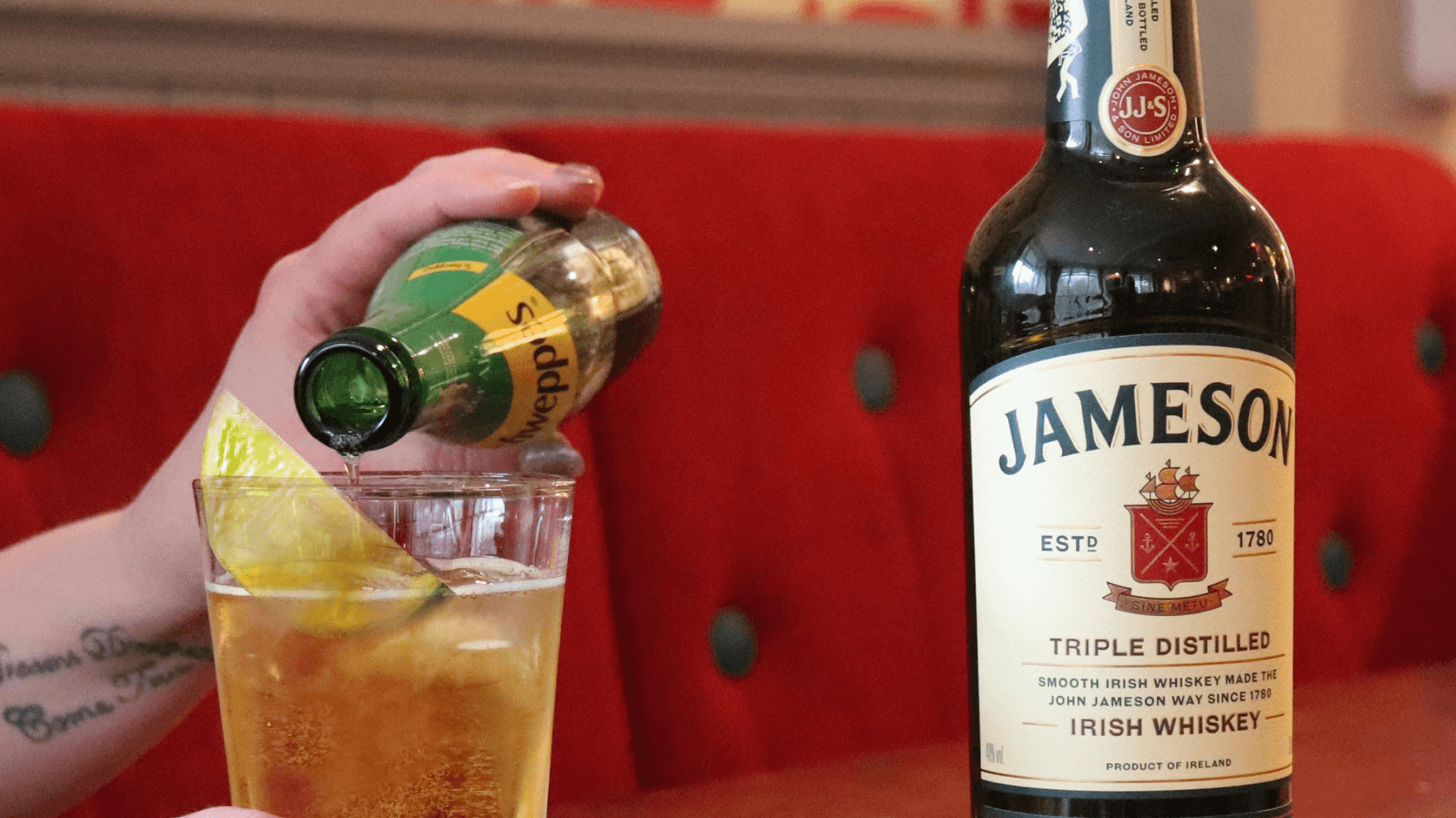
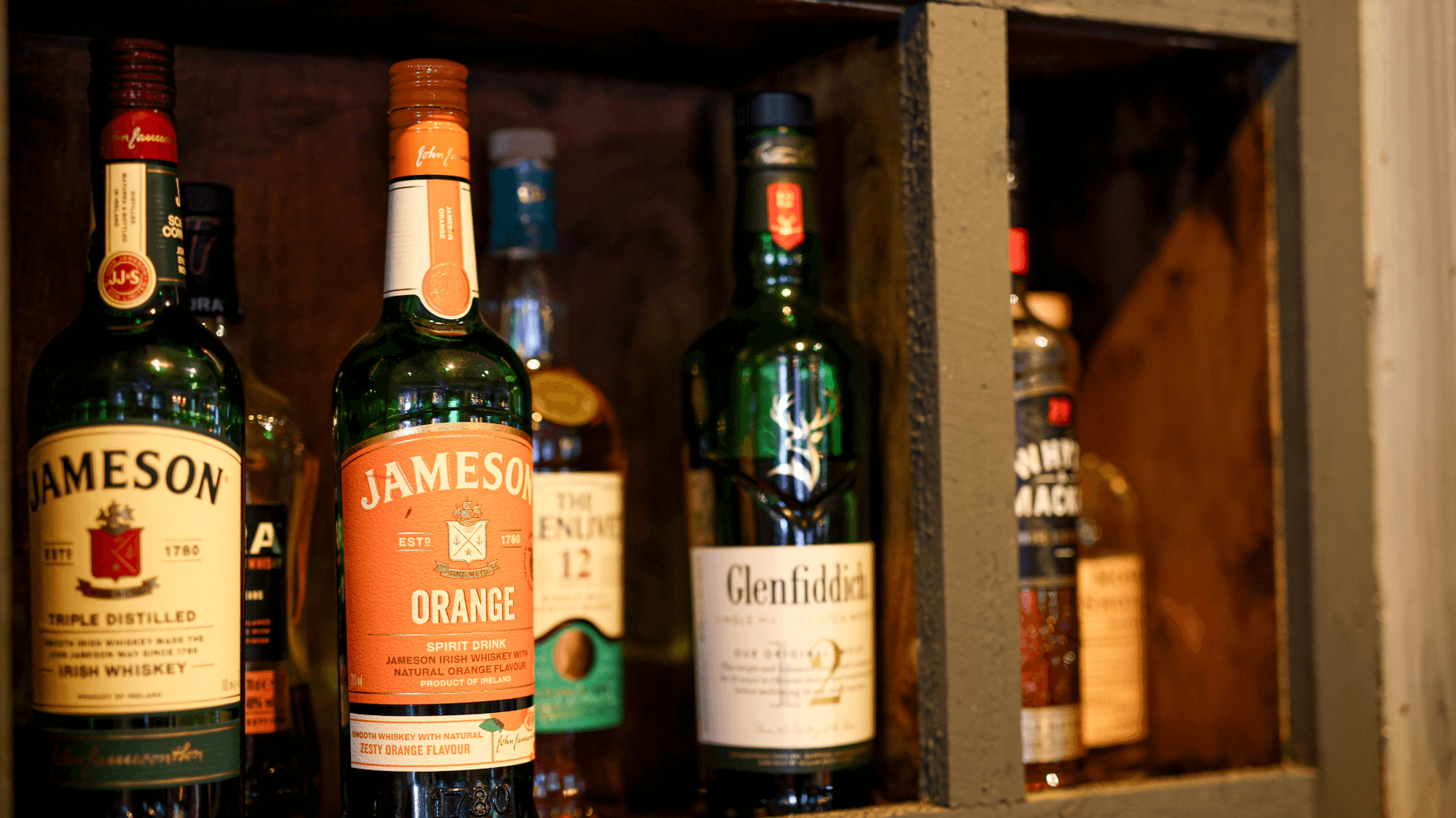
Irish whiskey is famous for being smooth, light, and approachable. It is usually triple-distilled, which gives it a clean and mellow finish. Most Irish whiskies are unpeated, although some exceptions exist.
Expect whiskey tasting notes of orchard fruits, vanilla, and soft spice. This style is a winner in Irish Coffees, classic cocktails, or simply poured neat for an easy introduction to whiskey.
American Whiskey
The United States is home to several styles, each with clear legal definitions and strong personalities.
Bourbon
Must contain at least 51% corn
Aged in new, charred oak barrels
Known for sweetness, vanilla, and caramel flavours
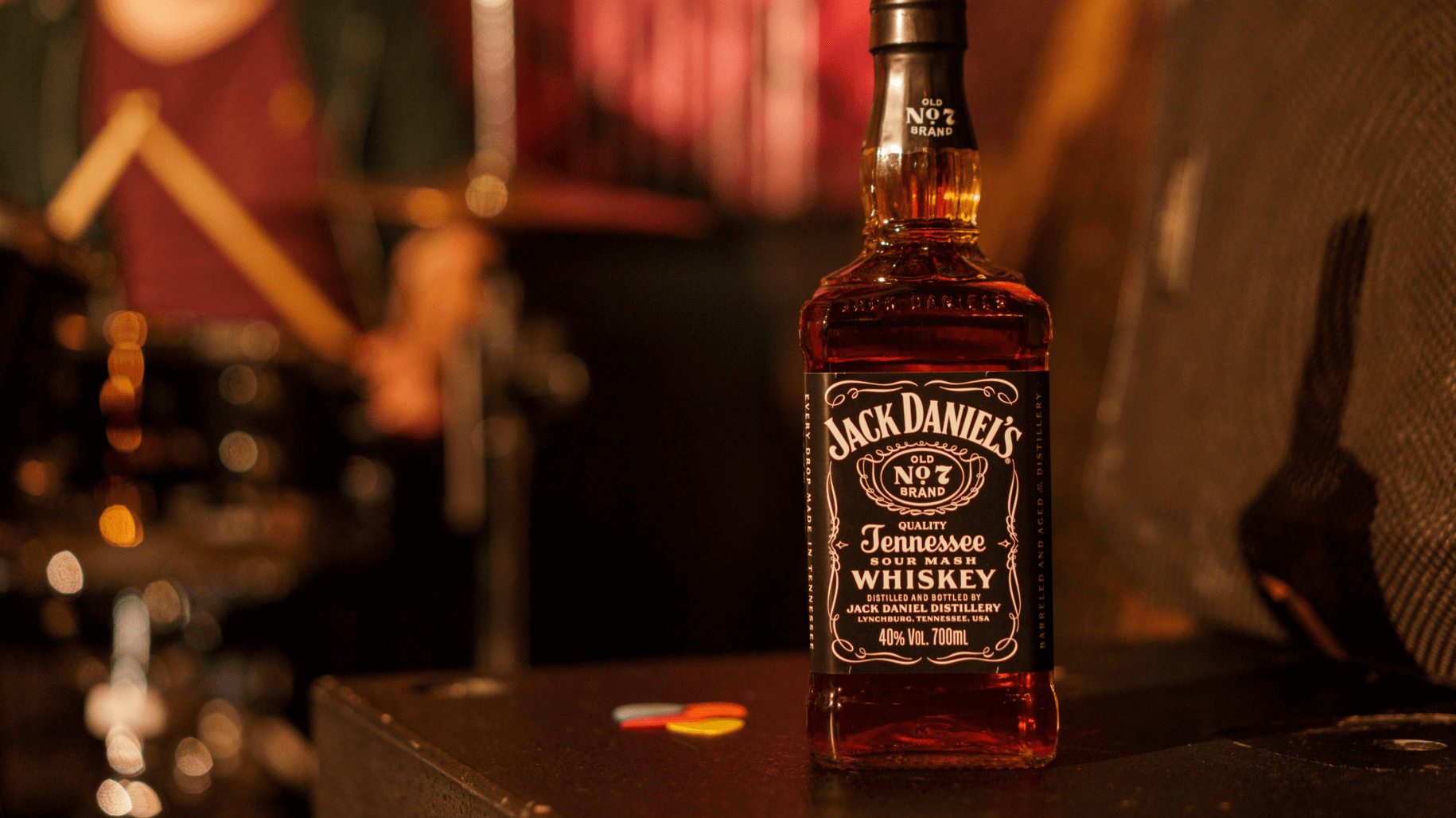
Tennessee Whiskey
Similar to Bourbon, but filtered through charcoal before ageing
Smoother and softer
Rye Whiskey
Made with at least 51% rye
Peppery, dry, and spicy
These whiskey types are ideal in Manhattans, Old Fashioned’s, or served straight. They also pair well with grilled or smoked dishes.
Japanese Whisky
Japanese whisky borrows from Scotch traditions but adds its own flair. It often features precision blending and delicate flavour balancing. You’ll find refined oak, subtle smoke, floral notes, and crisp fruit.
This whisky category appeals to guests looking for sophistication and style. It’s a great option for a top-shelf feature or whisky tasting menu.
Canadian Whisky
Canada has a long history of making whisky, often using rye as a dominant grain. The result is usually smooth and slightly sweet with a mellow finish. It is commonly used in mixed drinks and works well as a dependable house pour.
While it might not grab headlines like Scotch or Bourbon, Canadian whisky offers quality, versatility, and great value.
Other Global Whiskeys
The world of whiskey has expanded well beyond the big four regions. Exciting options come from countries like:
India: Brands like Amrut and Paul John are making waves with bold, tropical notes
Taiwan: Kavalan is known for its rich, fast-maturing whiskies
Australia: Starward brings fruit-forward flavours, often aged in red wine barrels
France: Delivers elegance and creativity, especially with dessert-style finishes
These newer styles allow you to create themed flights or rotate in seasonal selections that show your venue is keeping things fresh and global.
Blended Whiskeys
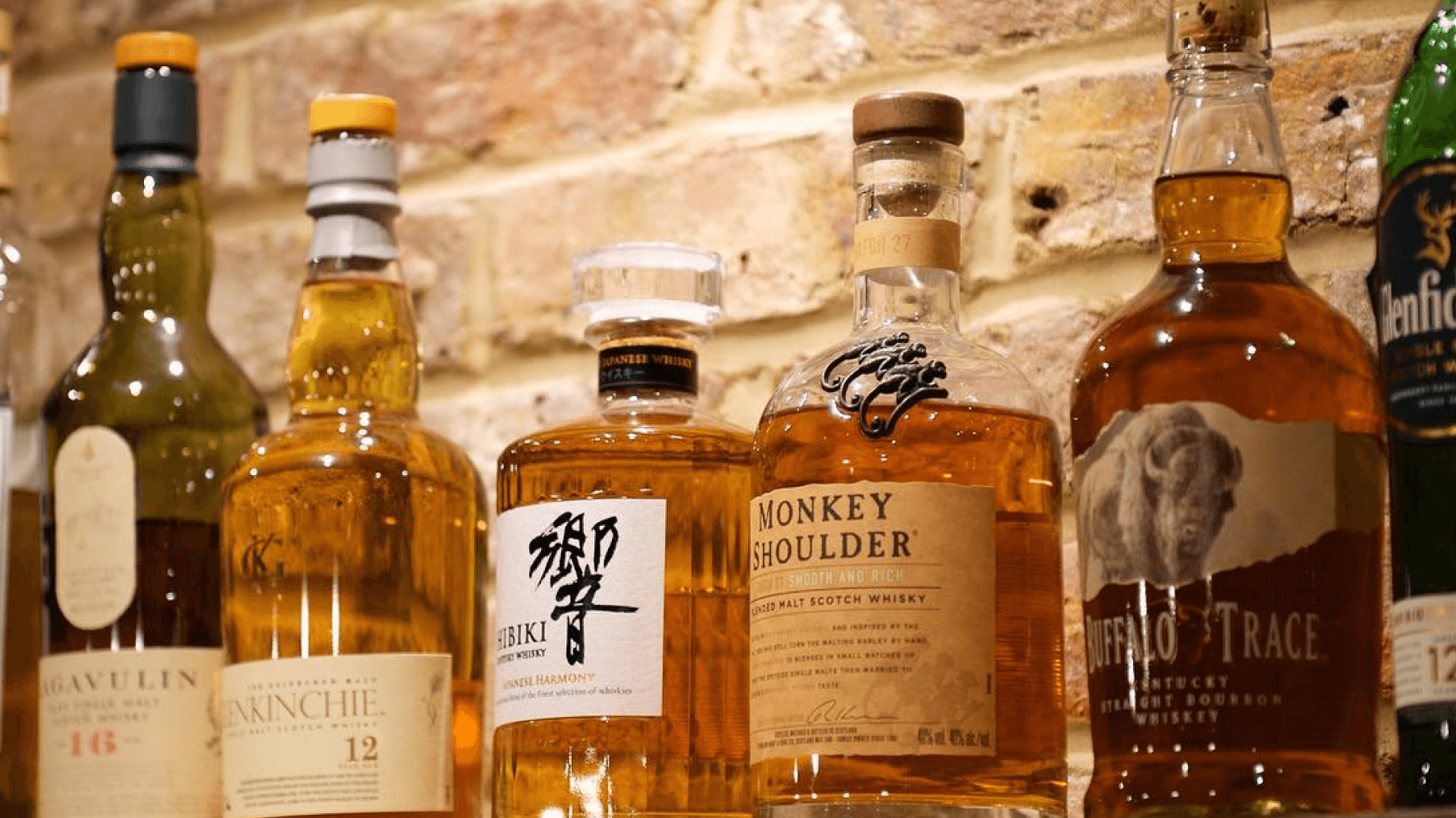
Blends combine single malts with grain whiskies to create balanced, consistent products. They are approachable, affordable, and great for cocktails or casual sipping.
Not every customer wants a smoky Islay dram. Sometimes a smooth, blended whiskey is exactly what they’re after. Stocking a good blend keeps your drinks list accessible while protecting your margins.
Whiskey Styles by Region
Region | Style | Best Use |
Scotland | Single Malt, Peated | Premium serves, flights |
Ireland | Smooth, Triple-Distilled | Irish Coffee, highballs, neat |
USA | Bourbon, Rye, Tennessee | Cocktails, food pairing |
Japan | Elegant and Balanced | Top-shelf options, pairings |
Canada | Mellow and Mixable | Long drinks, house spirit |
Worldwide | Experimental and Bold | Seasonal flights, global menus |
Building a Whiskey Range
A great whiskey list doesn’t need to be massive. It needs to be purposeful.
Start with this baseline:
One peated Scotch
One smooth Highland or Speyside Scotch
One Irish whiskey
One Bourbon
One Japanese whisky
One rotating world whiskey (India, Taiwan, etc.)
Include:
Entry-level: Easy drinking, mixable, cost-effective
Mid-range: Sippable and cocktail-friendly
Premium: Small-batch, single malts, and statement bottles
This range covers every type of drinker and lets you upsell without overwhelming guests.
Serving and Presenting Whiskey
How a whiskey is served can completely shape the guest’s experience. Presentation counts.
Serve options include:
Neat in a proper whisky glass
With a splash of water on the side
On the rocks with a single large cube
In highball format with soda or ginger ale
Offer tasting cards, chalkboard notes, or small staff recommendations. Consider whisky flights like “Around the World” or “Battle of the Bourbons” to make the serve more interactive.
Staff Training Tips
Well-trained staff make all the difference. Even a bit of whiskey confidence helps sell more.
Focus on:
Helping staff identify flavour notes (sweet, spicy, smoky)
Offering pairing suggestions with food or cocktails
Teaching a few key facts about each bottle on your shelf
If your team can answer questions and guide guests, the whiskey list becomes an asset instead of a dust collector.
Marketing Whiskey In-Venue
Bring your whiskey list to life with:
Tasting nights
Pairing events (whiskey and chocolate is a winner)
Limited-time whiskey features
Guest “staff picks” promoted on social media or in-venue
Even simple ideas like a “Whiskey Wednesday” or “Flight Night Friday” create moments to spotlight bottles and boost sales.
Stock Management
You don’t need 50 bottles to impress. You need six that tell a story and shift regularly.
Tips for smart whiskey stock control:
Track what’s actually selling
Don’t buy what you can’t sell
Use slow movers in cocktails
Rotate a world whiskey every three months
Get supplier support for training or promo nights
Quality over quantity always wins here.
Building a whiskey range that works for your venue is about more than stocking the big names. It’s about understanding the styles, engaging your team, and making whiskey feel approachable. Offer variety with purpose. Present it with confidence. And use whiskey not just as a product, but as a way to elevate your brand.
A thoughtful selection gives your team something to talk about, your guests something to enjoy, and your bottom line a healthy boost.
FAQs
What is whiskey made of?
Whiskey is made from fermented grain mash. This mash can include barley, corn, rye, or wheat. The spirit is then distilled and aged in barrels to develop flavour.
What’s the difference between Scotch and Bourbon?
Scotch is whisky from Scotland, often made from malted barley. Bourbon is from the United States and must be made with at least 51 percent corn and aged in new charred oak barrels.
How should I store whiskey in my venue?
Store whiskey bottles upright in a cool, dry place. Keep them away from sunlight and temperature fluctuations to preserve flavour and colour.
Can whiskey go bad?
Unopened whiskey lasts for years. Once opened, it can slowly oxidise but usually stays good for a couple of years if sealed well and stored properly.
What’s the best whiskey for beginners?
Try a smooth Irish whiskey or a light Speyside Scotch. These are approachable and often a good entry point into the category.


