
Controlling beer costs: tips for your venue
While the key to running a successful venue is great service and quality beverages, your business still has to make a profit to survive in the industry. One of the most expensive parts of running a pub or bar is beer cost. Whether it’s price fluctuations, wastage or inconsistent stock control, this can quickly impact your profitability if not managed effectively.

In fact, controlling beer costs is essential for keeping your business successful in the long-term. In this guide, we’ll unpack some of the best steps you can take to manage your beer costs more efficiently and improve overall cost management across your venue.
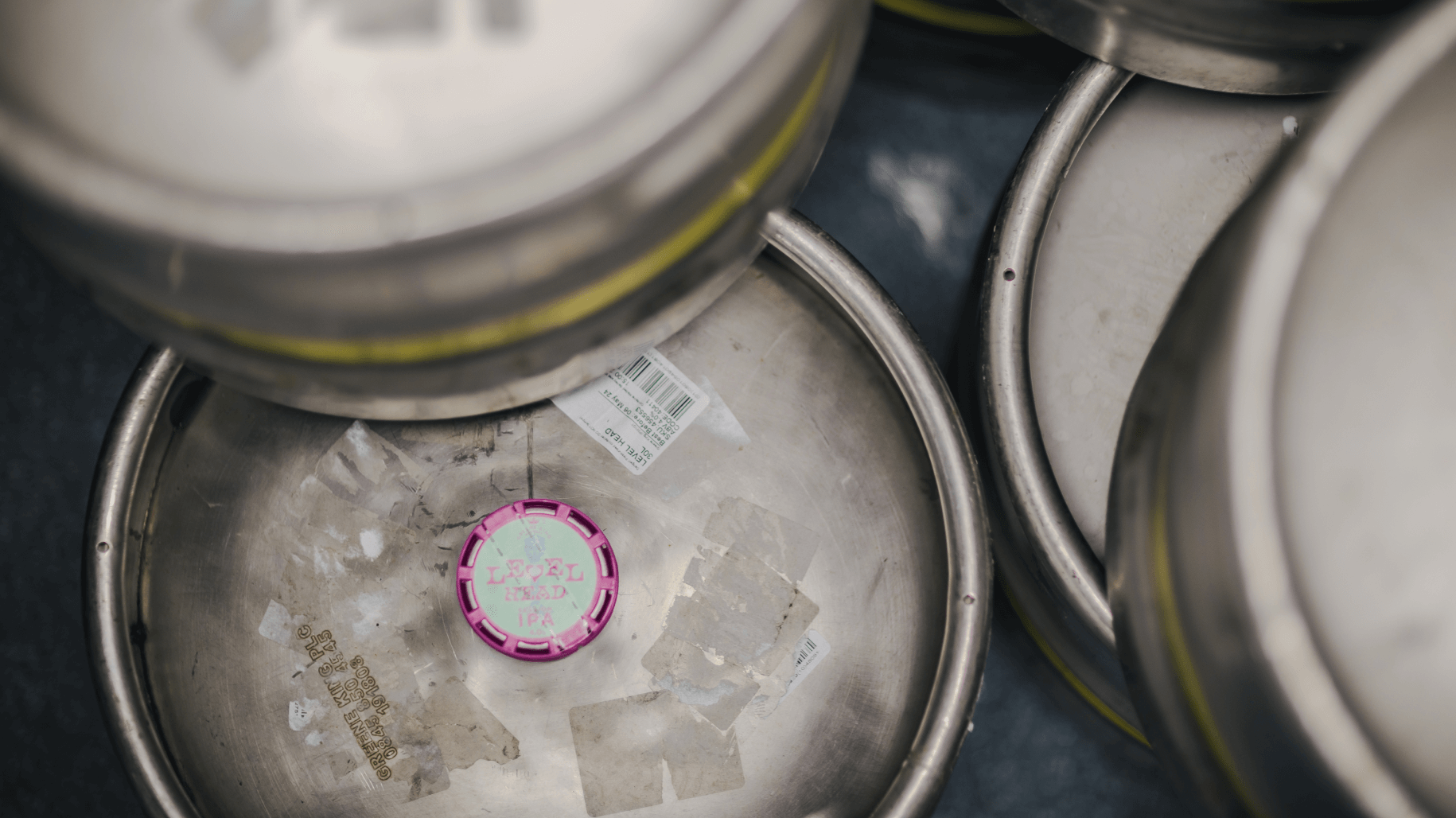
Understanding your beer cost breakdown
The first step to improving your profit margins and financial health is understanding all of your existing total costs. We recommend conducting an audit of your current expenditures and looking at the following when you do:
- Wholesale price — Look at the base cost of beer from your supplier.
- Storage — Look at the costs of storing your beer. Incorrect temperature control can impact quality or cause spoilage.
- Service — Factors like gas use, cleaning materials and staff training around beer serving can all add to your operating expenses.
- Wastage — Whether it’s because of over-pouring or cleaning spillage, beer waste will directly affect your margins.
Once your audit is complete, you can start to implement your plan to reduce costs.
Pricing strategies to improve profit margins
Introducing pricing strategies can be a great way to control beer costs in your venue. Having a well constructed pricing model, promotional strategy and serving considerations will make sure you remain competitive, but also make enough profit to thrive.
Potential pricing model
Cost savings can be as simple as matching your prices to the quality of the products you sell. An idea for this could follow a low, mid and premium pricing tier for your beers:
- Low price — Everyday lagers and bitters
- Mid price — Premium and imported beers
- Premium price — Craft and specialty beers
This gives everyday pub goers variable costs to choose from depending on how much money they have to spend.

Potential promotional strategy
Offering timed promotions like happy hours, two-for-one deals or loyalty cards can get more customers in the door and onboard for the long haul, all without undermining your margins. A happy hour, for example, is a great way to sell high-margin products during off-peak periods.
Potential serving considerations
Draught beers usually offer a better profit margin over bottled or canned beers, improving your operating costs. That said, it’s important to favour the serving type your customers prefer and to make sure your pricing reflects these differences. Even better, train your staff to communicate the difference in value to customers clearly, increasing the potential for sales.
Reduce beer waste and spoilage
A sometimes unrecognised cost when it comes to beer is wastage and spoilage. The best ways to avoid these costs are training, stock management and equipment maintenance.
- Training — By investing in training for your team, you can avoid spillages and overpouring and keep costs down.
- Stock management — Try to avoid over-ordering and being careful to keep limited shelf life beers at a minimum. Perhaps use a rotation system to make sure old stock is used before new.
- Equipment maintenance — Make sure your dispense systems and fridges are cleaned and maintained regularly. This will reduce any foam-related waste and will maintain your beer quality.
When it comes to improving your storage or cellar control, talk to our Cellar Services team for a helping hand. Our experts might have just the information to assist you.
Better wastage statistics come with staff training, for a one-stop-shop for all things beer training, including online videos, e-learning courses and more, try Beer Genius.
Maximise sales with efficient beer menu management
A well-curated beer menu that offers familiar brands alongside more niche offerings is a great way to maximise sales and help your bottom line. Positioning higher-margin beers alongside established favourites, and promoting them as such, enhances the customer’s experience, without overwhelming – encouraging them to branch out on their own terms. These are our top tips to craft a menu that does just this:
- Highlight your favourites — Use menu design, signage or staff recommendations to point customers towards products with better margins.
- Make it seasonal — Changing your menu to reflect the season will help to keep your venue interesting. It also allows you to optimise stock based on customer preferences.
- Keep it concise — A smaller menu won’t risk overwhelming guests and allows for faster service.

Leverage supplier relationships for better pricing
Having beer suppliers you trust is key to supporting your cost reduction mission. A strong partnership can lead to better prices on bulk orders, more stable long-term contracts, or even exclusive product listings that will give your venue a leg-up on the competition.
At Value for Venues, we work with venues all around the UK to deliver value-focused products and solutions that are tailored to your venue’s needs. Get in touch to discuss how we can help you.
Monitor and adjust beer costs regularly
And finally, if you want to keep your costs down, monitor your efforts. Be sure to track your performance of beer sales, wastage and margin performance, adjusting as you go. Also, make sure your pricing structure remains relevant in the face of inflation, supplier changes, or shifts in customer demand – and always adapt to current market conditions.
Controlling beer costs with confidence
Keeping a tight lid on mounting beer costs is one of the most important parts of running a successful drink-serving venue. By adopting a strategic approach and working with a trusted partner like Value for Venues, controlling beer costs will set your venue up for long-term financial success.
Get in touch today and we’ll see how Value for Venues can help you and your business.


